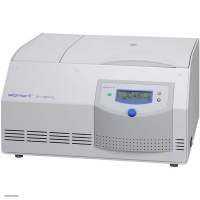
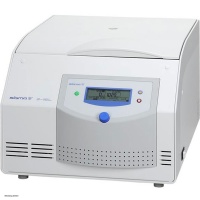
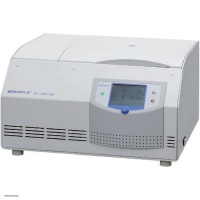
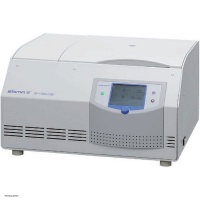
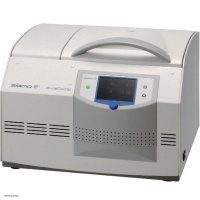
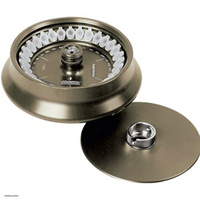
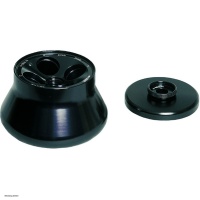
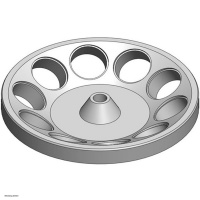
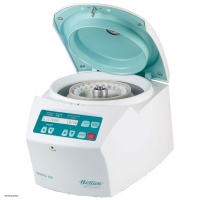
Angle rotor 6 x 30 ml for Sigma 3-16L, -KL, 3-18KS, 3-30KS
The rotor presented here was specially designed for high-performance centrifuges and impresses with its versatility in a wide range of laboratory applications. This accessory is particularly recommended for use in bioscience research or clinical diagnostics, as it impresses with its high speed and reliable separation performance. Compared to conventional rotor solutions on the market, this model offers a combination of durability, safety and precise centrifugation performance.
Performance characteristics and design
This rotor has a particularly robust design combined with an improved capacity of 6 x 30 ml. The angular design also allows efficient processing of samples that require gentle yet fast centrifugation. Thanks to the hermetic aluminium lid, the risk of contamination in the laboratory is reduced to a minimum. Users benefit from high sample purity and a clean working environment - essential when working with sensitive substances. The product is also autoclavable, allowing regular sterilisation to be easily integrated into existing laboratory processes. Low vibration and uniform acceleration also contribute to gentle processes that do not unnecessarily stress cell structures or sensitive assays. Reliably high speeds and RZB values ensure that both plasma and serum samples are separated safely and quickly. Important technical data
The following points summarise the key technical data in a table. They provide a quick overview and are ideal for direct comparison between different centrifuge models:
- Compatibility: Sigma 3-16L, 3-16KL, 3-18KS/KHS, 3-30KS
- Max. speed (3-16L): up to 14,500 rpm (RZB 18,570)
- Max. speed (3-16KL): up to 15,300 rpm (RZB 20,675)
- Max. speed (3-18KS/KHS): up to 18,000 min-¹ (RZB 28,616)
- Max. speed (3-30KS): up to 26,200 min-¹ (RZB 60,628)
- Container material: plastic containers with aluminium hermetic lids
- Certifications: CE marking and ISO standards
In addition, high-quality workmanship is a priority. The rotor complies with the relevant safety and quality standards, ensuring that it provides adequate protection and stability for many years. Even under full load, performance remains consistent thanks to high-quality manufacturing technology.
Specific fields of application
Numerous laboratories in clinical diagnostics use this rotor for blood analyses. The separation of serum and plasma is one of the most important steps in the medical technology sector in order to obtain reliable test results. In research laboratories, it is mainly used for the sedimentation of bacteria or viruses and for the purification of cell cultures. Here, the accessory scores with its precise and repeatable results, which are essential for publications and studies. Pharmaceutical laboratories that prepare samples for the analysis of active ingredients also benefit. Faster throughput times and minimised contamination risks accelerate the pipeline from substance development to quality control. Its ease of use also makes this rotor variant a solid choice for a wide variety of routine tasks. Frequently asked questions (FAQ)
How long can the rotor be operated at maximum speed?
The operating time at maximum speeds depends on various factors, such as the sample properties and the manufacturer's recommended operating parameters. However, the materials used are designed for long-lasting performance, ensuring that the rotor remains reliable within the operating limits defined by the manufacturer.
Is this model suitable for larger cell pellets?
Yes, thanks to its volume of 6 x 30 ml, there is sufficient space for centrifuging larger quantities of cell material. The angular design also promotes efficient separation without placing excessive strain on the samples.
How can the rotor be cleaned?
Autoclavability enables quick and safe sterilisation. After removing sample residues, the rotor and hermetic lid can be autoclaved at the recommended temperatures and times. This ensures maximum purity.
Which types of samples are particularly suitable for this accessory?
In addition to blood samples for clinical diagnoses, it is also possible to separate viral or bacterial cultures, cell culture supernatants and densely packed particles. Hardness analysis or pH-sensitive samples can also be processed efficiently.
Additional advantages in laboratory processes
In addition to its technically reliable properties, the time savings achieved through consistent processes are also a decisive factor. Reproducible results mean fewer failed attempts and more resources for other laboratory work. It is therefore not surprising that this rotor is valued for a wide range of applications. The combination of speed, precision and process reliability proves its worth, especially in demanding experiments that rely on high yields.
Another special feature is the hermetic lid included in the scope of delivery, which serves as additional protection against potential aerosols. This allows samples to be handled as safely and cleanly as possible. Even sensitive, infectious materials can be isolated more reliably. This safety factor is reflected in the ISO certifications and CE markings achieved, which prove compliance with essential quality standards.
Conclusion
The rotor scores with its robust construction, precise separation performance and wide range of applications in research, diagnostics and pharmaceuticals. Its autoclavable components and high RZB values make it a reliable and efficient companion in everyday laboratory work. Users benefit from easy cleaning, efficient process design and reproducible results - factors that are indispensable in modern laboratories today. If you are looking for a powerful and multifunctional rotor for centrifugation, you will find the ideal solution for a wide range of applications here.