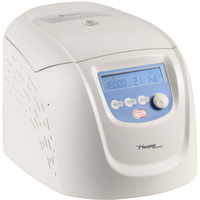
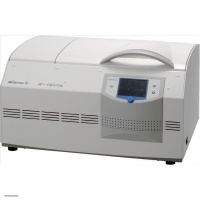
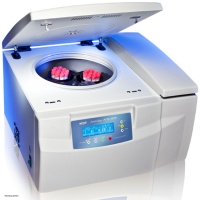
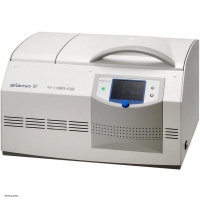
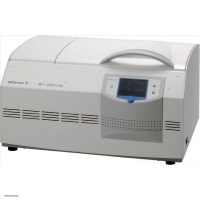
PHOENIX Instrument Microcentrifuge CD-3124R
The PHOENIX Instrument Microcentrifuge CD-3124R is a modern, universally applicable laboratory centrifuge for demanding microbiological and molecular biological applications where precise temperature control during centrifugation is essential. With its combination of high centrifugation performance, outstanding temperature stability and flexible rotor options, this powerful microcentrifuge is particularly recommended for laboratories that need to process temperature-sensitive samples reliably and safely. The device stands out from comparable models thanks to its comprehensive safety concept and environmentally friendly, energy-efficient cooling system.
High performance for a wide range of laboratory applications
The microcentrifuge impresses with its technical features and practical operation. At its heart is a modern cooling unit that provides constant, precise temperature control in the range from -20 to +40 °C - a decisive advantage for the gentle processing of temperature-sensitive materials such as DNA, RNA or proteins. The high maximum speed of 15,000 rpm, coupled with a maximum RCF of 21,380 g, enables fast and efficient sedimentation of a wide variety of samples.
Important technical features at a glance:
- Speed range: 200 - 15,000 rpm, adjustable in increments of 100
- Maximum RCF: 21,380 g
- Temperature range from -20 °C to +40 °C, stable throughout - even during the acceleration phase
- Capacity: 24 x 1.5/2 ml (standard rotor), optionally 36 x 0.5 ml, 12 x 5 ml, 18 x 5 ml, 4 x 8 x 0.2 ml PCR
- Noise level: only 56 dB(A) - particularly quiet operation even in continuous operation
- Timer: flexible from 30 s to 99 min or continuous
- Clear LCD display for intuitive control of speed, temperature and running times
Other features include a multi-secured locking system, automated rotor recognition and an internal diagnostic programme that guarantees reliable operation and maximum user protection. The aerosol-tight construction, together with biosafe rotors, also ensures increased safety standards in sensitive laboratory environments. The rotors are made of high-quality, autoclavable aluminium (sterilisable up to 121 °C). The sophisticated variety of rotors makes the device universally applicable for different sample sizes and applications.
Special features include the innovative, environmentally friendly refrigerant, which meets the highest laboratory and environmental standards. The temperature remains constant even during start-up, eliminating unwanted temperature fluctuations. An integrated condensate tank prevents moisture formation in the interior.
With the MCA test (Material Compatibility Assessment), which is monitored by TÜV Rheinland, the centrifuge meets the highest quality and safety requirements. It is therefore not only qualified for standard applications, but also for particularly demanding or safety-relevant procedures.
Its compact dimensions (34 x 56 x 29 cm) and manageable weight (30 kg) allow for space-saving integration into any laboratory.
Certifications and standards
The device meets key biosafety requirements thanks to its aerosol-tight rotors and complies with internationally recognised safety standards (e.g. DIN EN 61010-2-020). Particular attention should be paid to the TÜV Rheinland monitoring and the passed MCA test, which document material resistance, temperature management and operational safety. The refrigerants used comply with the current requirements for environmentally friendly laboratory operation (RoHS/REACH conformity, CE marking).
Typical application examples
Specifically, this microcentrifuge has proven itself in numerous specialised areas:
-
Molecular biology: Isolation and concentration of DNA/RNA, preparation of PCR protocols, extraction and purification of nucleic acids (e.g. plasmid preparation, DNA concentration).
-
Microbiology: Sedimentation of cells, bacteria or viruses, preparation of bacterial cultures, preferably with specific media and buffers.
-
Biochemistry: Centrifugation of enzymes, proteins and antibodies, precipitation and purification of biological macromolecules, processing of sensitive protein samples.
-
Diagnostics: Preparation of clinical samples (e.g. blood plasma, serum prior to analysis), use in laboratories working with human or veterinary samples.
Frequently used substances include ethanol, buffer solutions (e.g. TE buffer, PBS), isopropanol, Tris-HCl, and special lysis and wash buffers.
FAQs
How do I best care for and sterilise the rotor?
Autoclave the aluminium rotors regularly (up to 121 °C), especially after contact with biologically critical material or intensive use.
Can the temperature be kept constant during centrifugation?
Yes, the advanced cooling system keeps the desired temperature stable even at maximum speed - ideal for temperature-sensitive samples.
How flexible is the rotor selection?
In addition to the standard rotor (24 x 2 ml), variants for 36 x 0.5 ml, 12 or 18 x 5 ml and PCR strips (4 x 8 x 0.2 ml) are available, supporting a wide variety of sample formats.
How is operation simplified in busy laboratories?
All essential parameters can be quickly set via the self-explanatory LCD display; numerous safety functions and diagnostic programmes reduce operating errors and downtime.
Is the refrigerant used environmentally friendly?
Yes, the device uses a modern, environmentally friendly refrigerant that is approved in accordance with applicable laboratory standards.
How is maximum safety ensured?
The safety concept includes a multi-secured lid lock, biosafety rotors and continuous system monitoring.
How loud is it during operation?
With a noise level of only 56 dB(A), the centrifuge is comparatively quiet and ideally suited for routine use.
Conclusion
The PHOENIX Instrument CD-3124R microcentrifuge is a versatile, high-performance laboratory centrifuge that impresses with its powerful cooling system, flexible rotor selection and a wide range of safety features that provide ideal support for demanding applications in the field of molecular and microbiology. Its robust and certified construction, environmentally friendly design and intuitive handling make it the first choice for professional laboratory environments where precision, safety and efficiency are top priorities.