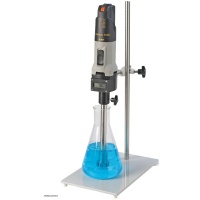
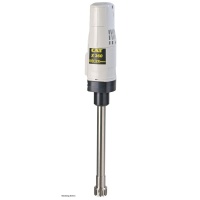
CAT M. Zipperer Engineering Office Rotor 6 V
The Rotor 6 V is a highly specialised piece of laboratory equipment that is used in particular in medical and biotechnological facilities to achieve reliable analysis results in serological tests. Thanks to its precise manufacturing and high load capacity, this product is suitable for laboratories that require speed, stability and a long service life for centrifugation. Innovative design features set this model apart from conventional rotor types and ensure an efficient workflow.
Its advantage over comparable solutions on the market lies in its robust construction and precisely balanced components, which ensure an even distribution of forces. This enables a high degree of repeatability in sample processing, while reducing potential vibrations to a minimum. This saves valuable time and reduces long-term costs for maintenance and spare parts.
Versatile features and design
The product was developed by the engineering firm CAT M.Zipperer specifically for professional use. This means that users benefit from a range of innovative features that are essential in everyday laboratory work and meet the high demands of modern laboratory technology:
- High speeds: Designed for demanding centrifugation processes to perform rapid and clean separations of blood components or other samples. - Stable construction: Durable materials and high-quality manufacturing techniques ensure consistent performance even under continuous load.
- Low-maintenance design: Special seals and surface coatings reduce wear and tear and increase service life.
- Precise balancing: Reduced vibrations protect sensitive samples and ensure error-free results.
- Compatibility: Suitable for many common centrifuge models on the market.
- Easy installation: A well-designed mounting mechanism makes it easy to insert and remove from the device. - Temperature resistance: Designed to withstand changing temperatures without loss of performance. In addition, carefully crafted transitions and optimised design ensure that samples heat up or cool down only minimally. This means that the structure of sensitive biomolecules, such as proteins or DNA, remains largely unaffected. Certifications and standards The rotor meets all relevant requirements specified in laboratory and medical standards. It is CE-compliant and meets the current DIN standards for laboratory equipment. These certifications ensure that the product not only complies with legal requirements, but has also undergone rigorous quality testing. For users, this means greater safety and reliability: the highest standards of purity and materials minimise the risk of contamination and ensure reproducible results.
Specific application examples
The rotor described here is particularly effective in blood group serology and other sensitive tests. Typical areas of application are:
- Blood group determination: Reliable separation of erythrocytes, plasma and serum to achieve precise test results.
- Evaluation of antibody reactions: Ideal for laboratories that examine different sera in the course of infection diagnostics.
- Purification of cell cultures: Ensures reliable separation of cells and cell fragments for further experiments.
- Preparation of diagnostic tests: For serum protein analysis or the examination of biochemical markers, such as enzymes or proteins.
FAQs
How is the maximum service life achieved?
Regular visual inspection for wear and timely cleaning will keep the rotor in good condition for a long time. It is also advisable to always adhere to the maximum speed and load limits specified by the manufacturer in order to avoid material fatigue. Do the accessories have to be purchased separately? Standard adapters and accessories for common centrifuges are usually included or available as options. However, the scope of delivery varies depending on the model and design of the centrifuge. Is calibration necessary? In general, an annual inspection by qualified personnel is recommended to ensure optimum performance and safety. Calibration of the entire centrifuge system may also be required if the laboratory has relevant quality management guidelines in place.
What sample volume can be processed?
The sample volume that can be processed depends primarily on the vessels and adapters used. The rotor itself is designed so that different tube sizes - from small Eppendorf vessels to larger tubes for blood sampling - can be used.
Conclusion
Modern laboratories are increasingly relying on powerful and durable components that guarantee consistent, reliable processes. This is precisely where the Rotor 6 V impresses with its sophisticated construction and robust design. Its high compatibility with common centrifuge systems and compliance with strict standards ensure efficient and safe use. Users who choose this solution receive a product tailored to professional needs that impresses with its precision, stability and durability, making it a sensible investment in any laboratory environment.